E-Mobility

The benefits of an electric car: what makes the switch worth it – and what doesn't

Electric cars stopped being an experiment a long time ago. And yet the same question comes up before every change of car: what does switching actually bring, and where are the catches? This article sorts through both. The benefits with figures instead of promises, the drawbacks without any sugar-coating.

author image

Written by Laura on 05.05.2025

Cost benefits: where an electric car is cheaper to drive in Switzerland

The purchase price is just the start. What really counts is what adds up over the years.

Energy costs. SwissEnergy has a simple rule of thumb: if you charge at home or at work on a household tariff, you pay around half as much as with a combustion car. And since fuel prices went up in 2026, the gap has grown even wider.

→ Rising petrol prices: the current cost comparison

Maintenance. An electric motor has few moving parts. No oil changes, no clutch, no exhaust, no timing belt. The brakes last longer too, because recuperation handles most of the deceleration electrically. Less wear means fewer garage appointments and fewer unexpected bills.

The total bill. A study by SwissEnergy compared total costs across the whole ownership period, including purchase, energy, service and tyres. The result: electric cars come out ahead in all four categories examined – small cars, the mid-range and premium segments, and SUVs. In the mid-range and premium segments, the purchase price is often even lower than that of comparable combustion cars. Find out more about the cost of running a car in Switzerland in our blog post.

What this means at Clyde

With an electric car subscription, buying drops out of the equation entirely. Instead of a purchase price or a deposit, you pay a fixed monthly rate from CHF 400. That covers insurance, vehicle tax, registration in your canton of residence, service, tyres including storage, and the vignette.

The rest stays predictable: with the «Premium – with electricity» option, public charging is part of the rate, and Clyde reimburses you for private charging.

Environment: the eco-balance across the full life cycle

The most common objection to electric cars concerns battery production. It holds true, but it falls short.

Electric cars and the environment: the Swiss electricity mix makes the difference

Producing an electric car causes more greenhouse gases than producing a combustion car. The vehicle makes that deficit up again once it is on the road. According to a study by the Paul Scherrer Institute that SwissEnergy draws on, with the Swiss electricity mix the production disadvantage is offset after around 30,000 km.

Looked at over the entire life cycle, an electric car emits around half as much CO2 as a comparable conventional vehicle. The reason the balance is so clear-cut in Switzerland is the electricity mix: around three quarters comes from renewable sources, hydropower above all.

On top of that comes the local effect. An electric car drives without exhaust emissions and noticeably more quietly from the very first kilometre. In residential neighbourhoods and city centres, that has an immediate impact.

Clyde and sustainability

Clyde took combustion cars out of its range at the start of 2024. Since then the fleet has consisted exclusively of electric cars.

If you have your own photovoltaic system, you benefit twice over: the car charges with the electricity you produce yourself, and Clyde reimburses it at CHF 0.30 per kWh. That way the system pays for itself faster.

Driving experience: quiet, direct, relaxed

The difference shows within the first few minutes. An electric motor delivers its full torque from a standstill. No revving, no gear changes, no turbo lag. The car responds directly to the pedal, pulling away at the lights just as much as when overtaking.

Then there is the soundscape: without engine noise, only rolling noise and wind remain. On longer journeys, that noticeably reduces fatigue.

In everyday driving, most people quickly get used to one-pedal driving. Lift off the accelerator and the car slows down on its own, feeding energy back into the battery. In stop-and-go traffic, there is no constant moving of your foot. And in the mountains it really pays off: going downhill, you recover up to 30 % of the energy that the climb cost you.

Which models Clyde offers on subscription
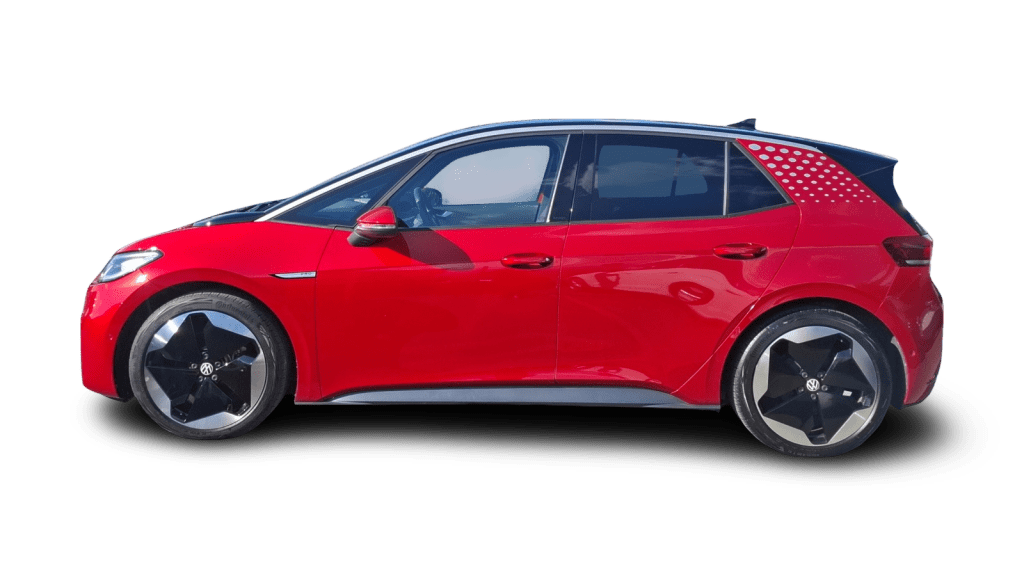
From compact city cars to roomy family SUVs: at Clyde you can subscribe to vehicles from Audi, CUPRA, Polestar, Renault, Škoda, Smart, Volvo, VW and other brands.

  • VW

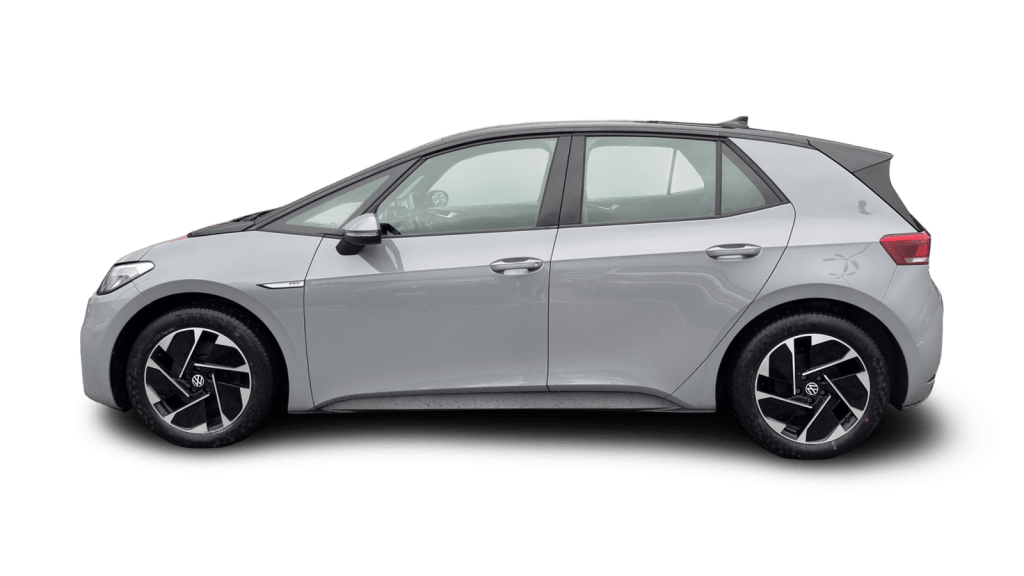
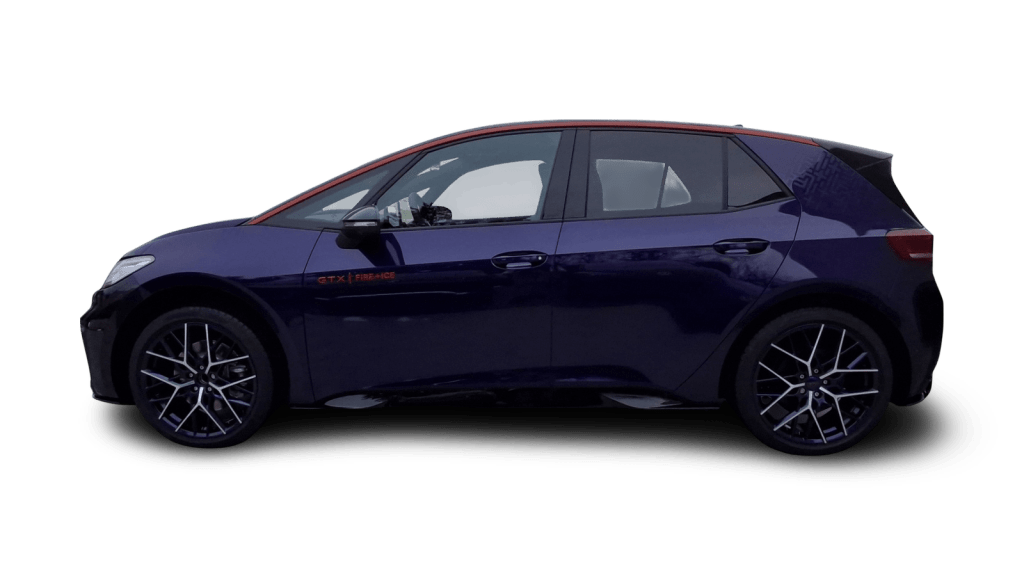
    ID.3 Pro Performance

    available as a trial subscription
    vehicle

    from

    479

    CHF

    month

    48 months

    250 km/month
    427 km range (WLTP)
    124 kW charging power DC
    Rear-wheel drive

    6 variants available

    Car model preview image
    Car model preview image
    Car model preview image
    Car model preview image

    +2

  • Audi

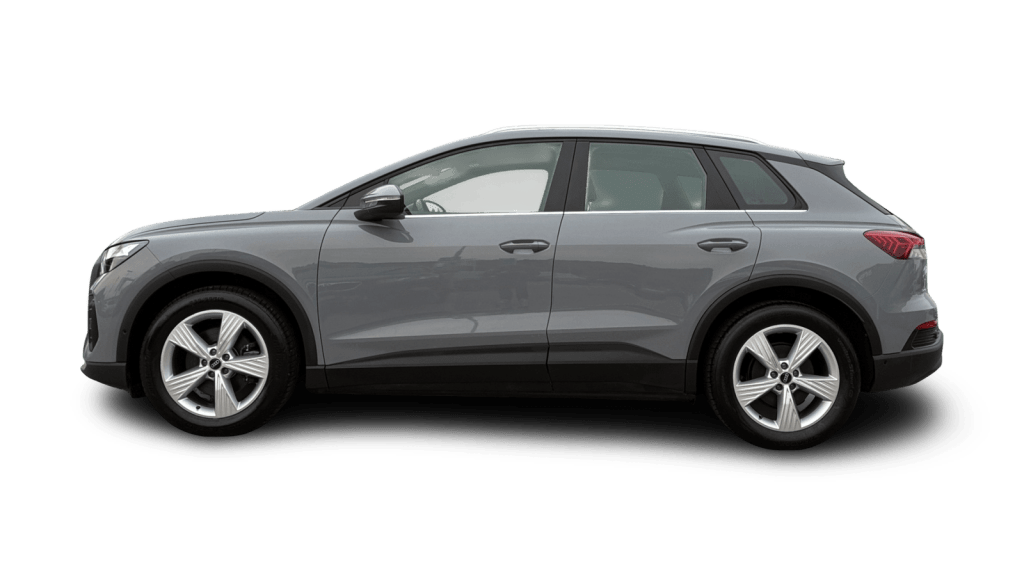
    Q4 35 e-tron

    available as a trial subscription
    vehicle

    from

    979

    539

    CHF

    month

    3 months

    250 km/month
    335 km range (WLTP)
    118 kW charging power DC
    Rear-wheel drive

    1 variant available

  • late December

    Audi

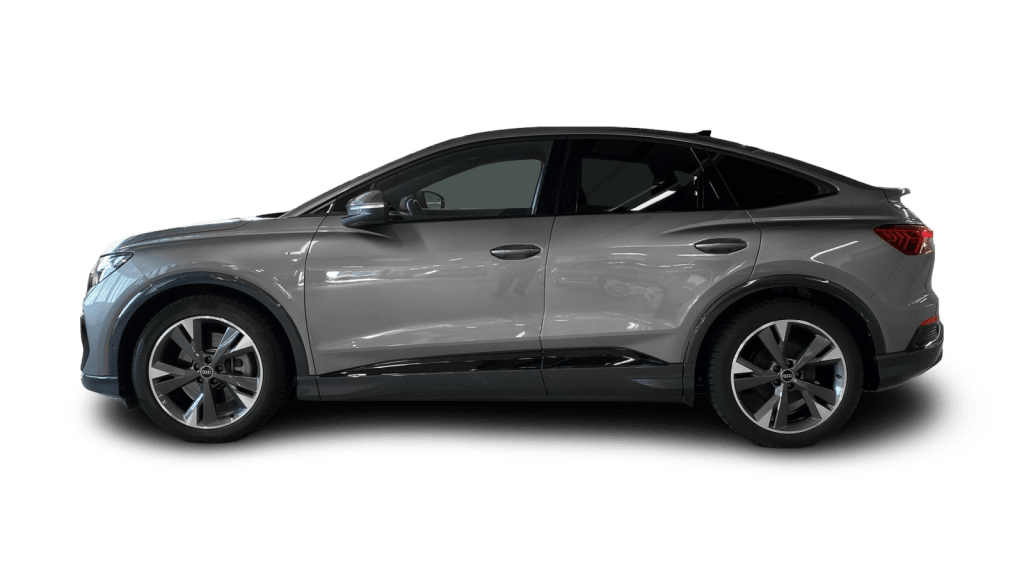
    Q4 Sportback 40 e-tron

    vehicle

    from

    566

    CHF

    month

    3 months

    250 km/month
    423 km range (WLTP)
    165 kW charging power DC
    Rear-wheel drive

    1 variant available

  • late December

    VW

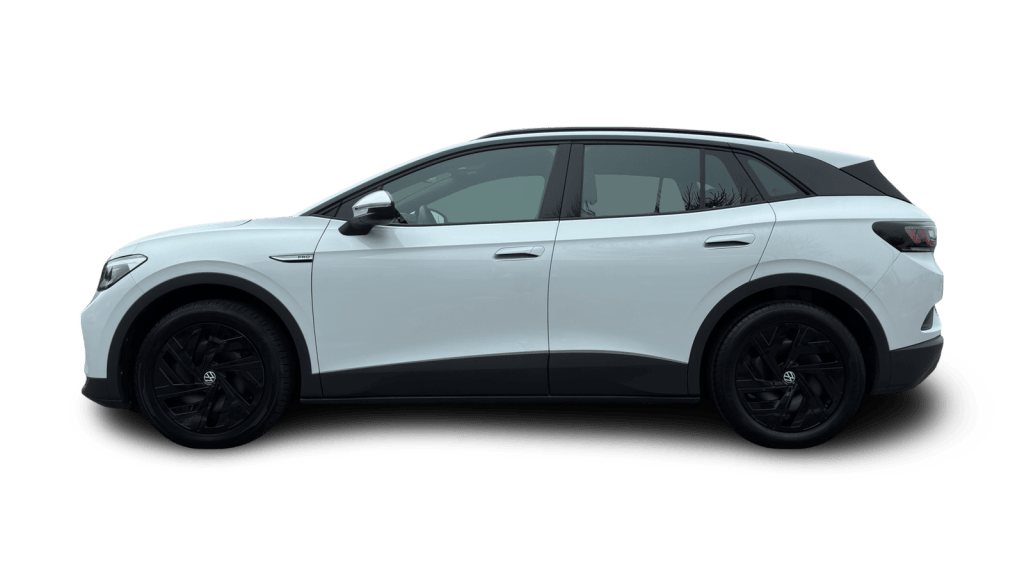
    ID.4 Pro Performance

    available as a trial subscription
    vehicle

    from

    569

    CHF

    month

    48 months

    250 km/month
    537 km range (WLTP)
    143 kW charging power DC
    Rear-wheel drive

    1 variant available

  • mid January

    CUPRA

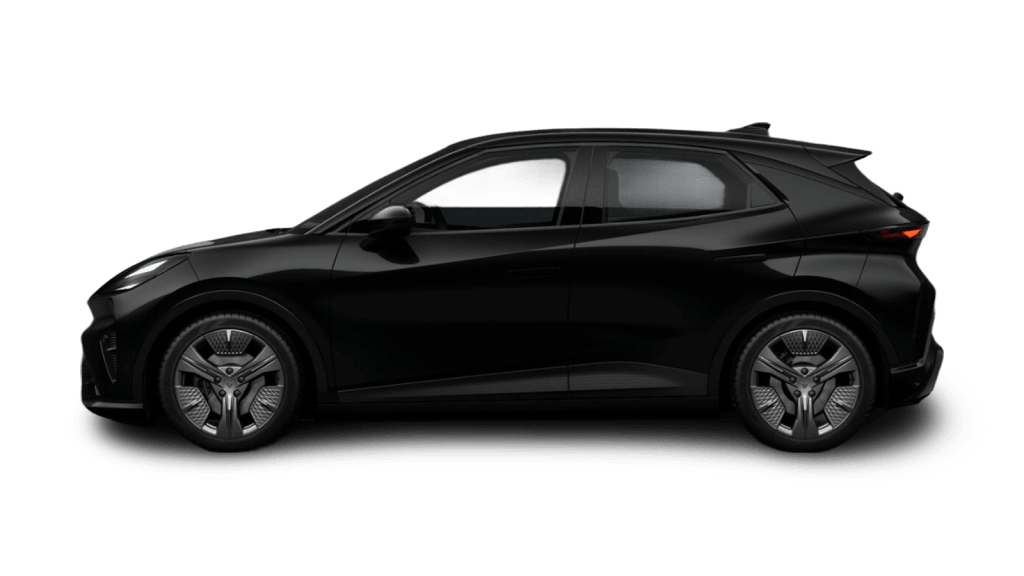
    Raval

    vehicle

    from

    569

    CHF

    month

    48 months

    250 km/month
    380 km range (WLTP)
    105 kW charging power DC
    Front-wheel drive

    1 variant available

  • late December

    Audi

    Q4 Sportback 50 e-tron

    available as a trial subscription
    vehicle

    from

    1'049

    577

    CHF

    month

    3 months

    250 km/month
    509 km range (WLTP)
    175 kW charging power DC
    All-wheel drive

    1 variant available

  • mid January

    VW

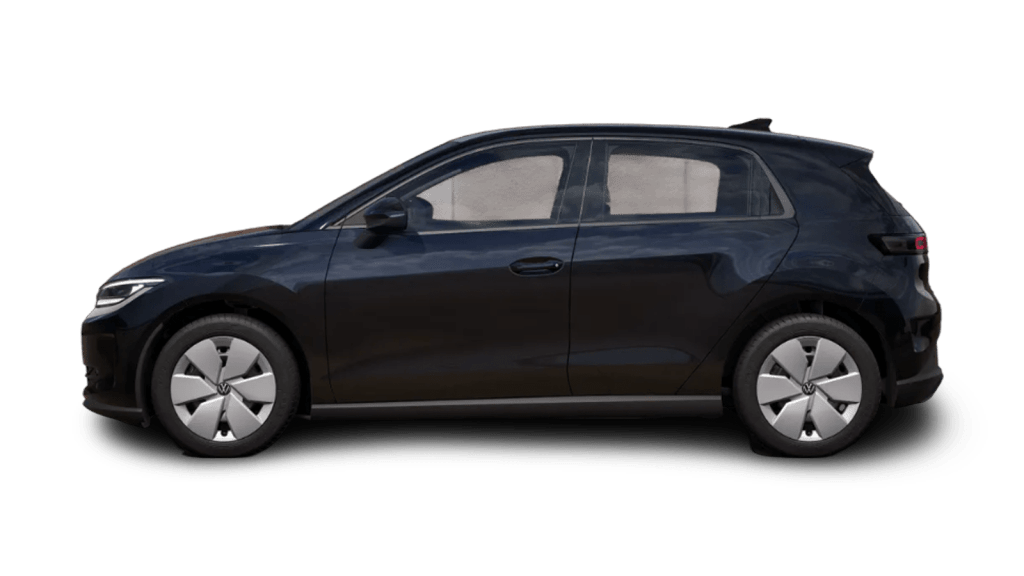
    ID. Polo

    vehicle

    from

    579

    CHF

    month

    48 months

    250 km/month
    430 km range (WLTP)
    105 kW charging power DC
    Front-wheel drive

    1 variant available

Everyday life and charging: how good the infrastructure is today

The biggest everyday benefit surprises many people who switch: the car starts every day with a full battery, as long as there is somewhere to charge at home or at work. The petrol station stop disappears completely.

That also puts the range question into perspective. In Switzerland, the average daily distance is under 40 km. For that profile, even a small car with a mid-sized battery lasts a whole week.

For everything beyond that, a dense public network is in place. More than 16,000 public charging points are spread across Switzerland, at motorway services, in car parks, at shopping centres. And if you don't have your own parking space, there are still solutions.

→ An electric car without your own charging station: does it really work day to day?

Is charging included at Clyde?

You decide that when you configure your subscription. With «Basic – without electricity» you charge yourself and settle the costs separately. With «Premium – with electricity», public charging on the chargeON network in Switzerland and across Europe is already covered, and Clyde reimburses private charging at CHF 0.30 per kWh.

→ All charging costs in detail

And the drawbacks? What honestly speaks against it

No drivetrain suits every situation. These points are part of the picture too:

The purchase price. In several segments, the purchase price is still higher than that of a comparable combustion car. Only over the years of use does the maths turn around.

Charging access. Without a fixed charging spot at home or at work, the effort goes up. It stays doable, but it takes planning and costs more at public charging points.

Charging time. A fuel stop takes five minutes; a charging stop takes twenty to thirty even with fast-charging cars. On long journeys that counts, unless you were planning to take breaks anyway.

Range in winter. The WLTP figure is produced in a lab at 23 degrees. The TCS works with a rule of thumb: for every degree Celsius below that, range drops by about 1 %. At zero degrees, a good 300 km of a 400 km range is left. But combustion cars use more energy in winter too: petrol cars need around 15 % and diesels roughly 24 % more fuel.

A subscription resolves two of these four points straight away: the purchase price disappears, and the electricity option makes public charging predictable too. Everything else you can simply try out on a subscription – from three months, with no long-term commitment.

Why an electric car: who it pays off for

Clearly an advantage if:

  • you charge at home or at work

  • you drive regularly, because the more kilometres you cover, the stronger the cost advantage

  • most of your driving is everyday journeys, with the occasional long trip

  • a good environmental record and few garage visits matter to you

It is worth taking a closer look if:

  • there is no charging option within reach and none on the horizon

  • you drive more kilometres a day than the range allows

  • you drive very rarely, because then the lower running costs take longer to pay off

If you are still unsure, you do not have to commit right away. E-mobility is easy to try out in your own everyday life.

→ Electric car: a real-world experience report

Frequently asked questions

Lower energy and maintenance costs, zero tailpipe emissions, higher efficiency and therefore lower running costs, a better environmental footprint over its lifecycle, and a quiet, direct driving feel.
Over the full ownership period, yes. A study by EnergieSchweiz concludes that electric cars have lower total costs in all four vehicle categories examined. Charging at the household tariff alone brings energy costs to roughly half.
Production causes more greenhouse gases than for a combustion car. With the Swiss electricity mix, this gap is closed after around 30,000 km. Over its full lifecycle, an electric car emits roughly half as much CO2.
The purchase price is higher in several segments, topping up on the road takes longer than a petrol stop, and range drops in winter. Without a fixed charging option, everyday effort also increases.
In many cases yes, with a bit of planning. Charging at work, neighbourhood solutions in car parks, and the public network cover everyday needs. The cost advantage is smaller than when charging at home.
Longer than long feared. Manufacturers typically guarantee eight years or 160,000 km. In practice, according to EnergieSchweiz, batteries lose around 5 to 10% of their capacity over the first 100,000 km, after which the curve flattens out noticeably.

Just try it.
Your way.

Start your journey into e-mobility now, risk-free: insurance, service, taxes and, if you want, even electricity in one monthly rate.

Other electrifying articles: